Oura Rings, Body Data, and Reconnecting With Ourselves
By Bridget Hager, LICSW
I woke up this morning and glanced at my Oura Ring app. There it was: my symptom radar flashing a warning. My readiness score was low, my body temperature slightly elevated, and my heart rate variability was… not ideal. My first instinct was to push through, it’s a busy week and I have shit to do. But instead, I canceled my workout, made myself a warm cup of tea, and allowed a slow, intentional morning to unfold.
In that moment, I was reminded of something simple but profound: our bodies are constantly talking to us, if we take the time to listen. And tools like the Oura Ring can help us tune in, but only if we use them wisely.
Why Millennials Love Oura Rings
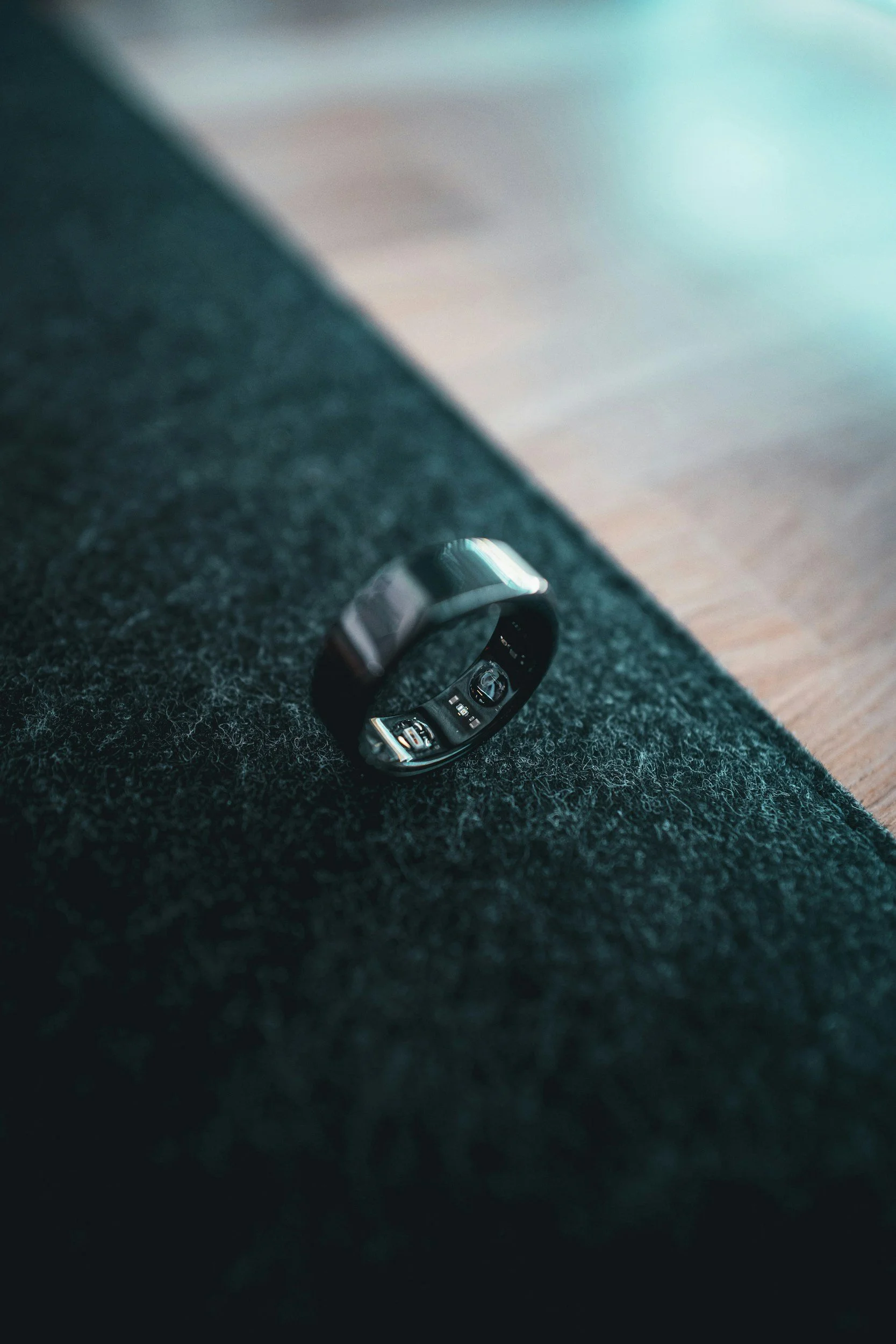
We’re living in an era where self-optimization is everywhere. Sleep apps, wellness trackers, meditation metrics, they promise insight and control. Oura Rings, in particular, have become a favorite among millennials because they take a lot of complex physiological data and translate it into something digestible: sleep scores, readiness scores, body temperature, heart rate variability, and even menstrual cycle tracking. And they look cute.
For someone like me, a millennial woman navigating running a business, relationships, personal health, and daily stress, having this kind of data at my fingertips can feel empowering. It’s like having a mirror for your nervous system, a way to notice patterns before they become problems.
Connecting to the Nervous System
One of the most valuable aspects of tracking your body with Oura is how it can illuminate your nervous system’s rhythms. Heart rate variability (HRV) is one of the app’s most talked-about metrics. When your HRV is lower, it can indicate that your nervous system is under stress or in a more sympathetic (“fight or flight”) state. Conversely, higher HRV often signals that your parasympathetic system, the “rest and digest” mode, is active.
By observing these trends over time, you can begin to notice patterns in your stress response. Maybe you’re more wired on Sunday evenings. Maybe your HRV drops during certain work projects. Maybe it rises after a slow weekend with friends. These insights give you a chance to respond compassionately instead of reacting automatically.
Tracking Menstrual Cycles and Hormonal Awareness
For millennial women, one of the most exciting aspects of Oura is its integration of menstrual cycle tracking. Beyond just marking periods, the ring can help you observe subtle changes in temperature, readiness, and sleep patterns that correlate with different phases of your cycle.
This isn’t about perfection or trying to “hack” your body, it’s about awareness. By noticing how your body shifts, you can plan workouts, social engagements, and self-care in ways that honor your physiology. You may discover that some days you need a slow yoga session, and other days you’re primed for a long run. The data can help you align your choices with your body’s natural rhythm.
The Risk of Outsourcing Wellness
But here’s the catch: it’s easy to fall into the trap of outsourcing our well-being to the device. “My ring says I’m ready, so I must push harder.” Or, “My ring says I’m low, so I’m failing if I don’t rest.”
Your Oura Ring, or any wellness tracker, is a tool, not a judge. The numbers don’t define your worth, your resilience, or your effort. They’re simply information, an invitation to pause, notice, and make an informed choice.
Using Data to Build Self-Compassion
The real power of tracking your body is the same power we cultivate in therapy: the ability to listen to yourself and respond kindly. I canceled that workout that morning not because the ring told me I was weak, but because it helped me recognize my body’s message: “Slow down. Take care of yourself today.”
Over time, using data like this can strengthen your connection to your nervous system, your menstrual cycle, and your overall self-awareness. It can teach you to notice stress, honor fatigue, and celebrate days when your body is thriving, all without judgment.

Final Thought
Oura Rings and similar tools are most helpful when they’re used as companions rather than authorities. They offer insight into your body, yes, but your wisdom, curiosity, and self-compassion are what truly guide your choices. Kind of like your therapist.
Let the data inform you, not define you. Let it help you slow down when needed, and celebrate your body’s resilience when it’s thriving. At the end of the day, the most powerful metric isn’t a score, it’s the relationship you build with yourself.