The Existential Power of Strong Female Relationships
There’s a particular kind of exhale that only happens in the presence of another woman who gets you. Not because you’ve explained every detail of your life, but because she’s lived enough of her own to understand the quiet parts.
As a therapist, one of the most consistent truths I see is this:
Women don’t just benefit from strong female relationships, we need them.
Not as a luxury, not as a hobby, but as a deeply human, existential anchor.

We’re wired for connection but we’re also wired for meaning.
Existential therapy teaches us that so much of our emotional world centers around the universal questions:
Who am I? What matters to me? Where do I belong? How do I live in alignment with my values?
Strong female relationships help answer these questions, not by giving us instructions, but by offering companionship as we figure them out ourselves. When we feel uncertain about our identity or overwhelmed by life’s transitions, motherhood, career shifts, breakups, family roles, aging, the presence of another woman saying, “I’ve walked through something like that too” can feel like meaning in motion.
Female relationships remind us we’re not alone in the human condition.
Everyone carries what existentialists call “givens,” freedom, responsibility, uncertainty, loss, impermanence.
Carrying these alone can feel unbearably heavy.
Carrying them together becomes something entirely different:
Community.
Understanding.
Sanity.
There’s something profoundly regulating about sitting beside a friend who has seen you cry, rage, question your worth, doubt your decisions, and chooses to stay anyway.
Not to fix you.
Not to rescue you.
But to remind you that you don’t have to hold the complexity of being human alone.
Women heal in witness.
There’s a theme I see in therapy: women often believe they have to be the strong one.
The one who keeps it together.
The one who doesn’t burden anyone.
The one who handles things privately and gracefully.
But healing rarely happens in solitude.
Healing happens in the presence of a witness, someone who sees you in your raw, uncurated form and reflects back dignity, capability, and truth.
And for many women, that witness is another woman.
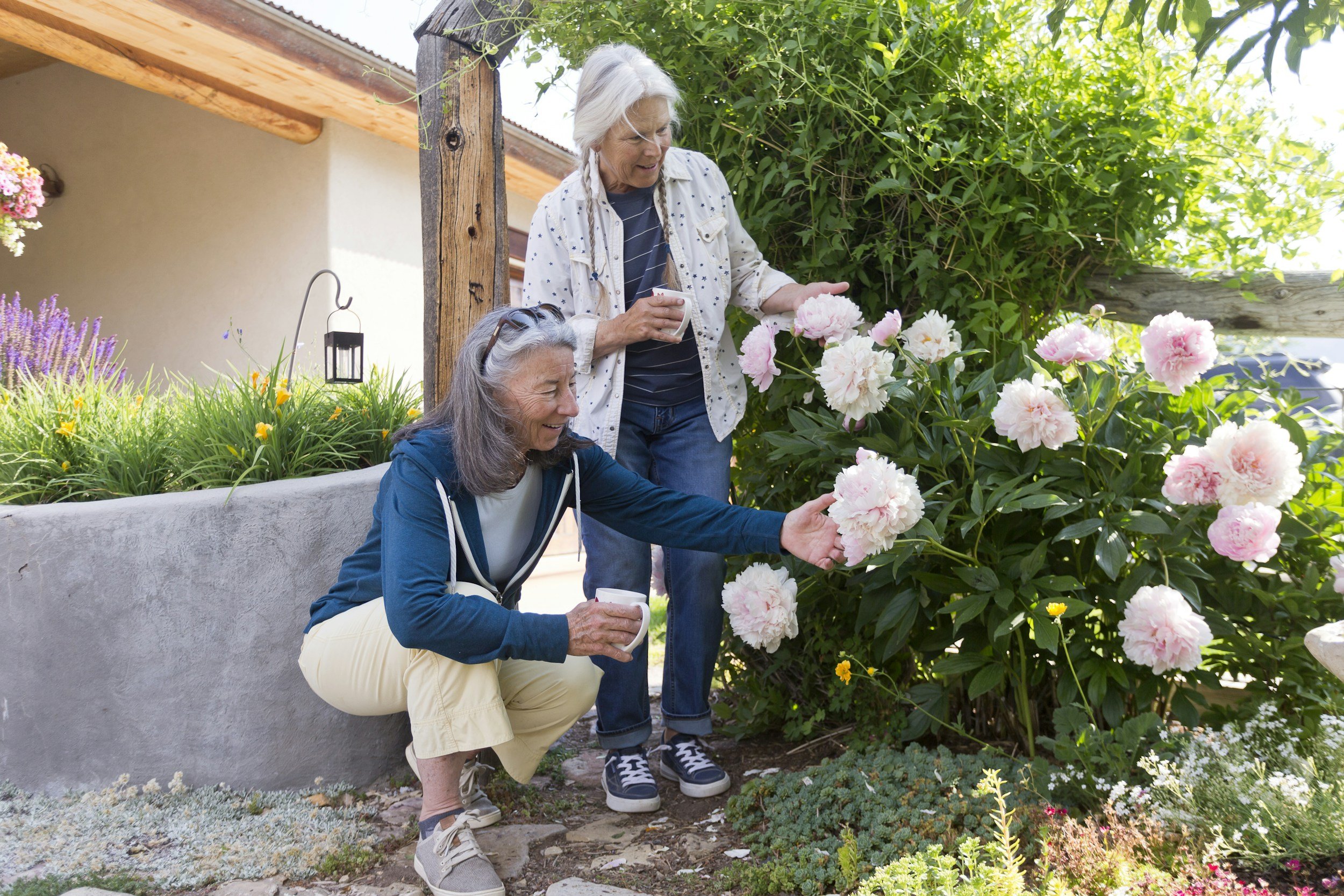
Female friendships challenge our isolation.
Existential anxiety often pushes people inward:
Don’t be too much.
Don’t need too much.
Don’t ask for support.
Handle it alone.
Female relationships counter that instinct.
They remind us that connection isn’t a sign of weakness, it’s part of what makes life feel worth living.
It’s relational courage to say, “I don’t have this figured out, can I sit with you while I sort through it?”
These relationships are not just emotional, they are existential.
They help us choose who we want to be.
They help us reconnect to our values when the world tries to pull us away from them.
They give us a place to practice authenticity, boundaries, honesty, and softness.
They help us tolerate the uncertainties of life with more steadiness and less fear.
Strong female relationships don’t remove life’s challenges, they illuminate them.
They offer perspective where shame once lived.
They create meaning where loneliness once settled.
They remind us that we are part of something larger than our individual struggles.
The truth is: we become more ourselves in the presence of women who truly see us.
When women gather, in living rooms, group chats, office break rooms, late-night calls, stroller walks, or quiet moments of truth-telling, something ancient, grounding, and profoundly human happens.
In a world that constantly asks women to be everything for everyone, strong female relationships return us to our center.
Not because they give us answers, but because they remind us we are worthy of belonging exactly as we are.
If you are ready to investigate this further, therapy through an existential lens waits for you.