When Tears Come Easily: What It Really Says About You
If you’ve ever been told you’re “too emotional,” “too sensitive,” or that you need to “pull it together,” this one’s for you. Especially if your tearfulness shows up in those inconvenient moments, the work meeting, the hard conversation, the family dinner where you silently promise yourself you’re not going to cry this time. And then… there it is. The familiar burn behind your eyes.
Let’s just start here: Tearfulness is not immaturity. It’s not a lack of strength. And it’s definitely not a personal failing. It’s a deeply human, biologically wired, socially meaningful response, and frankly, it’s often a sign of emotional intelligence, not the absence of it.

The Old Story: Tears as “Losing Control”
For decades, psychology, especially the old Freudian schools, framed tears as something like a mini-collapse. A sign that the mind was overwhelmed, regressing, or cracking open old emotional wounds. And yes, sometimes tears are connected to old stories, past hurts, or moments where your mind is juggling more than it can easily speak to.
But that’s not the whole story. And it never was.
The New Story: Tears as Communication, Connection, and Regulation
More recent research paints a far more compassionate, and frankly more accurate, picture:
1. Tears are social signals.
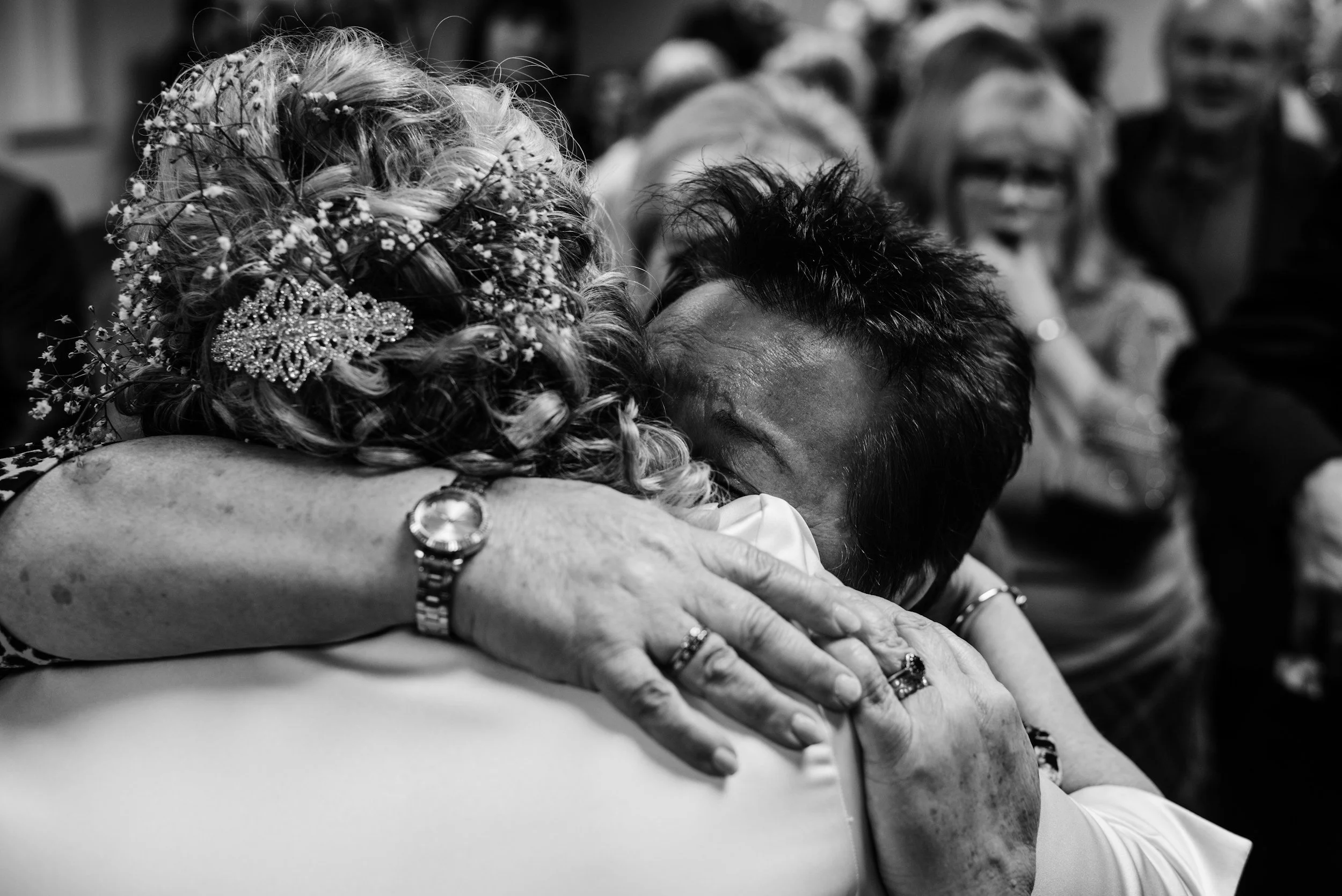
Humans cry emotional tears because we are social, relational beings. Research shows that tearfulness evokes empathy, support, and understanding from others. Tears soften interactions and communicate that something meaningful is happening inside.
2. Tears help regulate your system.
Contrary to the “get it together” narrative, crying can actually help your nervous system recover. Studies show that tearfulness can reduce stress hormones, help the body recalibrate, and support emotional processing long after the crying stops.
3. Tears aren’t weakness. They’re complexity.
Modern researchers note enormous variation in who cries, when they cry, and why they cry. That variability is a sign of nuance, not immaturity. Cultural messages, nervous system templates, and even personality traits all shape how tearfulness shows up.
If your tears come easily, it doesn’t mean something is wrong with you.
It often means your emotional system is responsive, attuned, and alive.
If You Cry When You “Shouldn’t,” Here’s What’s Actually Happening
Let’s rewrite the narrative.
You cry in the difficult conversation not because you’re fragile…
but because your body recognizes emotional intensity faster than your brain can language it.
You cry in moments of awe or gratitude not because you’re dramatic…
but because your emotional circuitry responds fully to meaning and connection.
You cry when you’re frustrated not because you’re childish…
but because anger and powerlessness often travel the same neural pathways.
Your tearfulness? It’s not a malfunction. It’s a signal.
A Different Way to See Yourself
Imagine if tearfulness weren’t a red flag but rather an indicator of:
Depth
Emotional integrity
Capacity for connection
A nervous system doing its best to regulate
An inner world that refuses to go numb
What if the question wasn’t “Why can’t I stop crying?”
but “Why do I believe crying means I’m failing?”

The Cultural Double Standard
Many millennial women grew up absorbing two simultaneous messages:
“Be emotionally available, caring, empathetic.”
“But not too emotional. Keep it tidy. Don’t make anyone uncomfortable.”
It’s an impossible line to walk.
If you feel like your tearfulness is “too much,” chances are your tears aren’t the problem, the unrealistic emotional demands placed on you are.
What to Do With This Understanding
You don’t need to love your tears. You don’t need to cry proudly in every meeting or every family gathering. But you can shift the way you interpret what’s happening inside you.
Try this reframe:
Instead of: “I’m falling apart.”
Try: “My nervous system is communicating.”Instead of: “I’m too sensitive.”
Try: “I feel deeply, that’s a strength.”Instead of: “I should be past this.”
Try: “Something in me needs attention, not judgment.”
And if you want to take it further:
Put a hand on your chest or your belly when tears well, it will cue safety.
Notice what emotion is underneath the tears: sadness? frustration? relief? passion?
Give yourself permission to take a beat. You don’t owe anyone composure on demand.
You Are Not “Too Much”
You are not broken, dramatic, or behind.
Your tearfulness is an echo of your humanity, a reminder that your inner world is rich, responsive, and beautifully alive.
The next time someone says, “Why are you crying?”
you can quietly remind yourself:
“Because I’m human. And because something in me deserves to be felt.”